February 6, 2026
Commercial Real Estate (CRE) Lending: Physical Foot Traffic over Thematic Crowding
Share
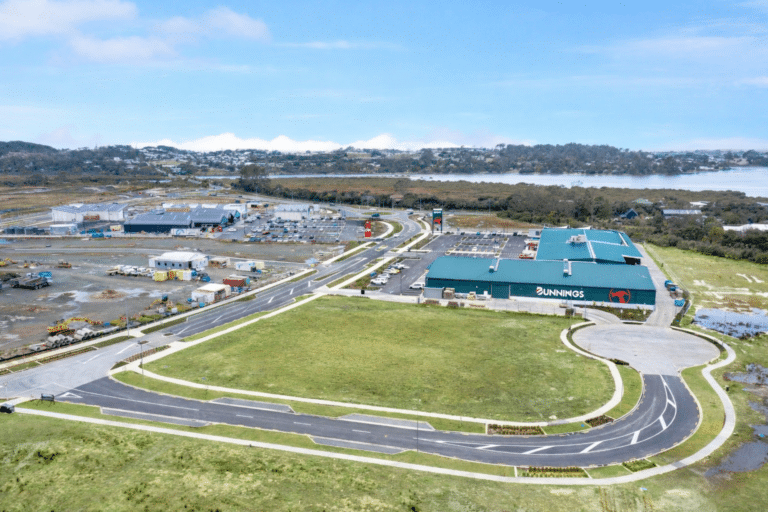
Effective CRE lending is about deploying capital into genuine supply–demand gaps and avoiding crowded themes or return assumptions reliant on capital appreciation. Today, we’re seeing capital pressure start to push weaker covenants and lower returns in areas such as AI-linked data infrastructure and some build-to-sell residential projects, where underwriting increasingly depends on favourable exit pricing.
By contrast, the strongest opportunities for senior secured lenders remain in sectors where demand is sound but capital availability has tightened. Large format retail and CBD hotels are two clear examples, offering disciplined lending opportunities with strong structural protection and defined exit pathways.
Key insights
- Large format retail (LFR) fundamentals remain strong, with vacancy across major markets in the low single digits (~3-4% , CBRE), continued expansion from national bulky goods tenants and a constrained development pipeline limiting new supply. National LFR yields averaged ~6.5% in 2025, with prime metropolitan assets transacting in the mid-5% range (Colliers).
- This week the Fund approved a new senior construction facility for the Morisset Life & Home centre in NSW (26,800 sqm, >60% pre-leased and anchored by a new Aldi supermarket and national retail tenants), building on our prior experience with LFR construction loans across Australia and New Zealand that were successfully delivered and repaid in 2024 and 2025.
- CBD hotel fundamentals continue to strengthen, with RevPAR forecast to rise 6.7% and occupancy improving as tourism rebounds, including a 7% increase in international visitors in 2025 (China, UK and NZ), alongside tightening supply with 14% fewer rooms under construction year-on-year (~5,560 rooms underway for delivery in 2026–27). (CBRE)
- Our hotel strategy has a strong track record funding CBD developments and asset repositioning since COVID, including Hotel Indigo Auckland, Porter House Sydney, Melbourne Place and Urban Rest Hackney Adelaide, delivering a weighted net IRR of approximately 10% and supported by the Regal platform’s integrated credit, equity and asset management capability, including the repositioning of the Mayfair Hotel in Adelaide.
- Within these less crowded segments of the CRE landscape, newly originated loans are expected to generate ~11–12% net IRRs at the asset level which, after portfolio overlays such as credit protection, cash drag and occasional underperformance, support a forward portfolio capable of delivering sustainable investor returns of circa 10%.
The common theme across both sectors is resilient end-user demand paired with constrained development capital, supporting senior secured lending with strong pre-commitments, conservative leverage and defined exit pathways. Large format retail continues to benefit from strong leasing demand and limited new supply, with national tenants still expanding and creating a funding gap for well-pre-leased bulky goods and lifestyle centres with clear institutional take-out. CBD hotel markets show a similar dislocation, with improving fundamentals driven by rising international visitation, occupancy and ADR, while elevated construction costs are limiting new development and repositioning activity. Together, we believe that these dynamics are creating a selective deployment window for senior secured CRE lending anchored in contractual income and disciplined structuring.